
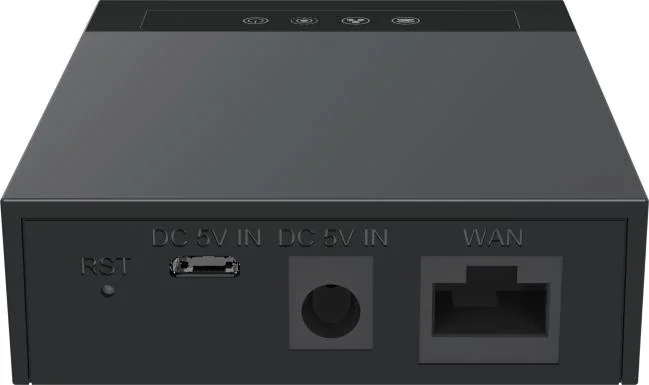
Fax
Fax over IP: T.38 against G.711 pass-through
Why fax fails on a working voice call, which of the two modes fits which line, the speed defaults that matter, and how to number the fax extension.
NEXVIA Engineering8 min read
Read moreIP Telephony & SIP Communication Systems · Guangzhou, China
Notes from planning and configuring IP telephony systems — sizing by SIP trunks, line selection, cabling, codecs and the tests before handover.
Fax
Why fax fails on a working voice call, which of the two modes fits which line, the speed defaults that matter, and how to number the fax extension.

Cabling and power
Which models state PoE and which do not, where the published consumption figures sit, how to size the switch, and why port speed matters too.

Networking
What breaks when a phone or the PBX sits behind NAT, the punch-through and port-mapping routes, and the two headers that fix one-way audio.
Deployment
The five answers an enquiry needs, the design pack that turns them into a bill of materials, and the commissioning tests that decide acceptance.

Public address
How a zone works on a SIP public-address system, how priority is decided, which speaker suits which space, and how legacy speaker lines cross over.
Healthcare
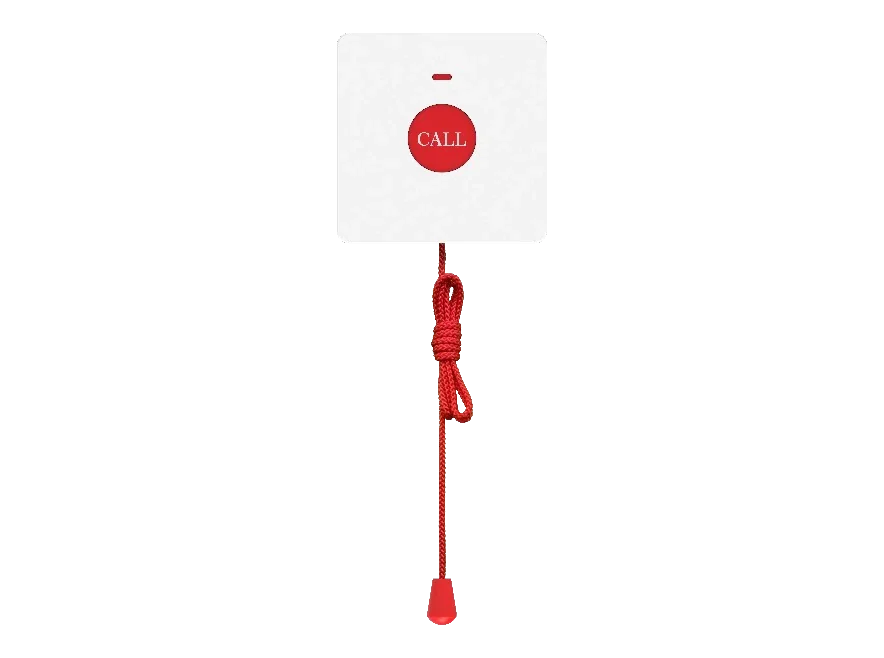
A 2 m pull cord, a 6 to 25 m radio link, an IP65 button with a battery and an IP44 button with none. How to decide per position instead of per building.
Voice engineering
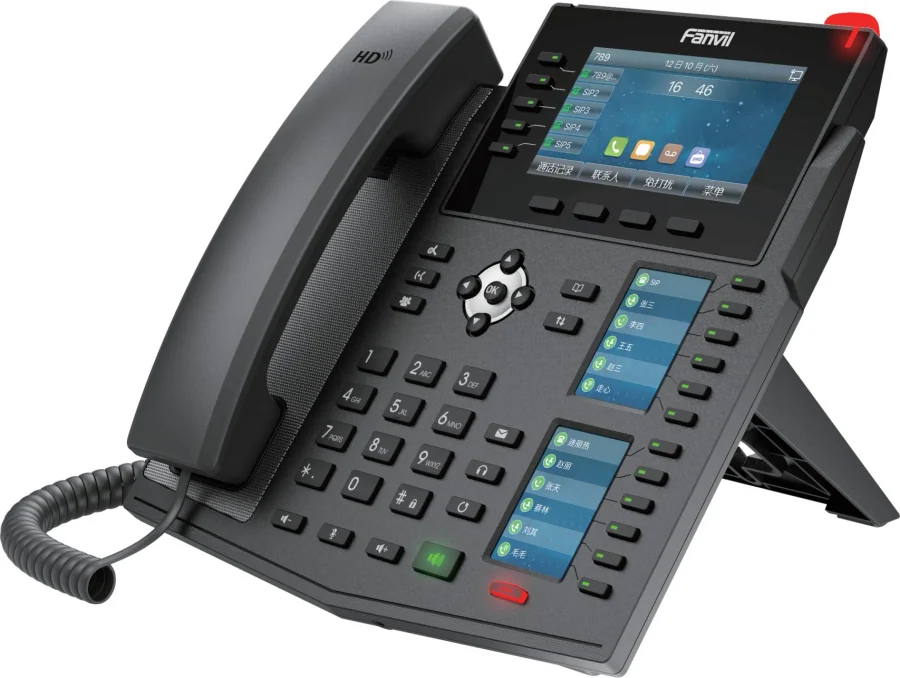
What each codec on the PBX media page is for, where wideband helps, why recording supports only two of them, and the voicemail file names that follow.
Deployment
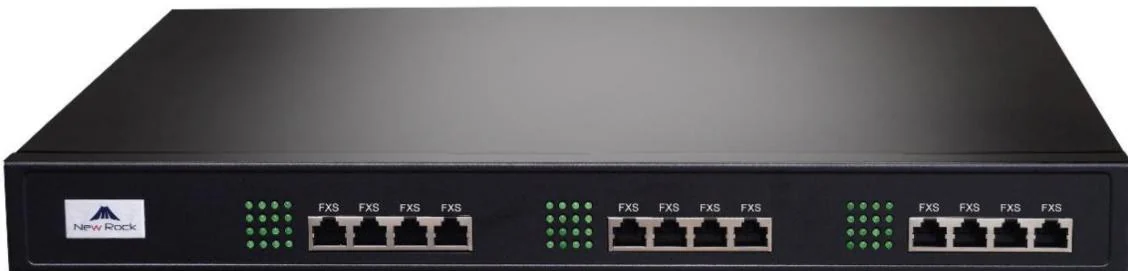
The inventory that decides the migration, the numbering decision, the line strategy that keeps calls flowing, and five cutover phases with rollback.
Wireless and endpoints
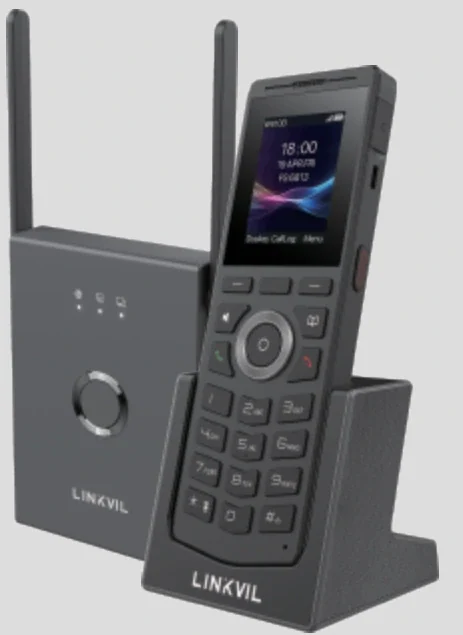
Coverage, capacity and battery figures for the three endpoint families, plus the cases where a fixed desk phone beats anything portable.
IP PBX sizing
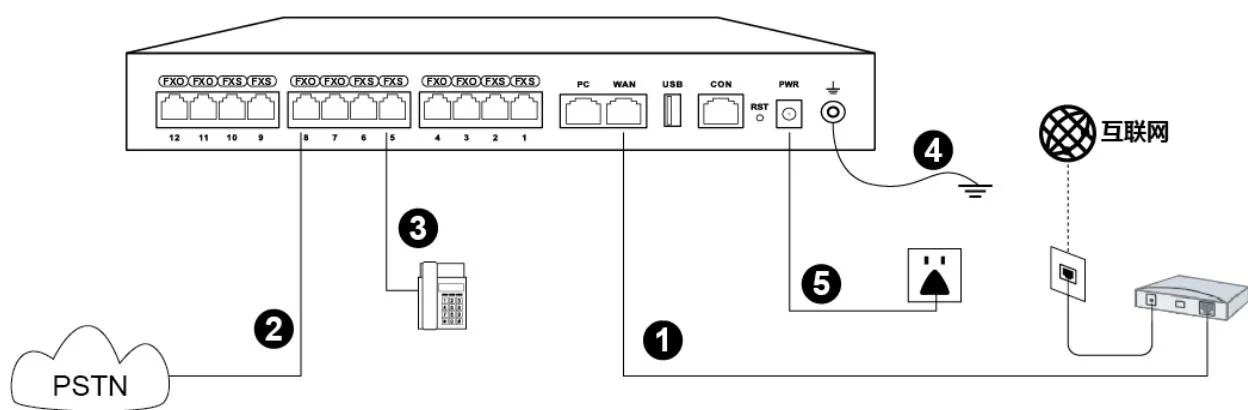
Three names for one function, and one is regional. What a modern private exchange publishes, how the old expectations map onto it, and what to brief.
Call flows
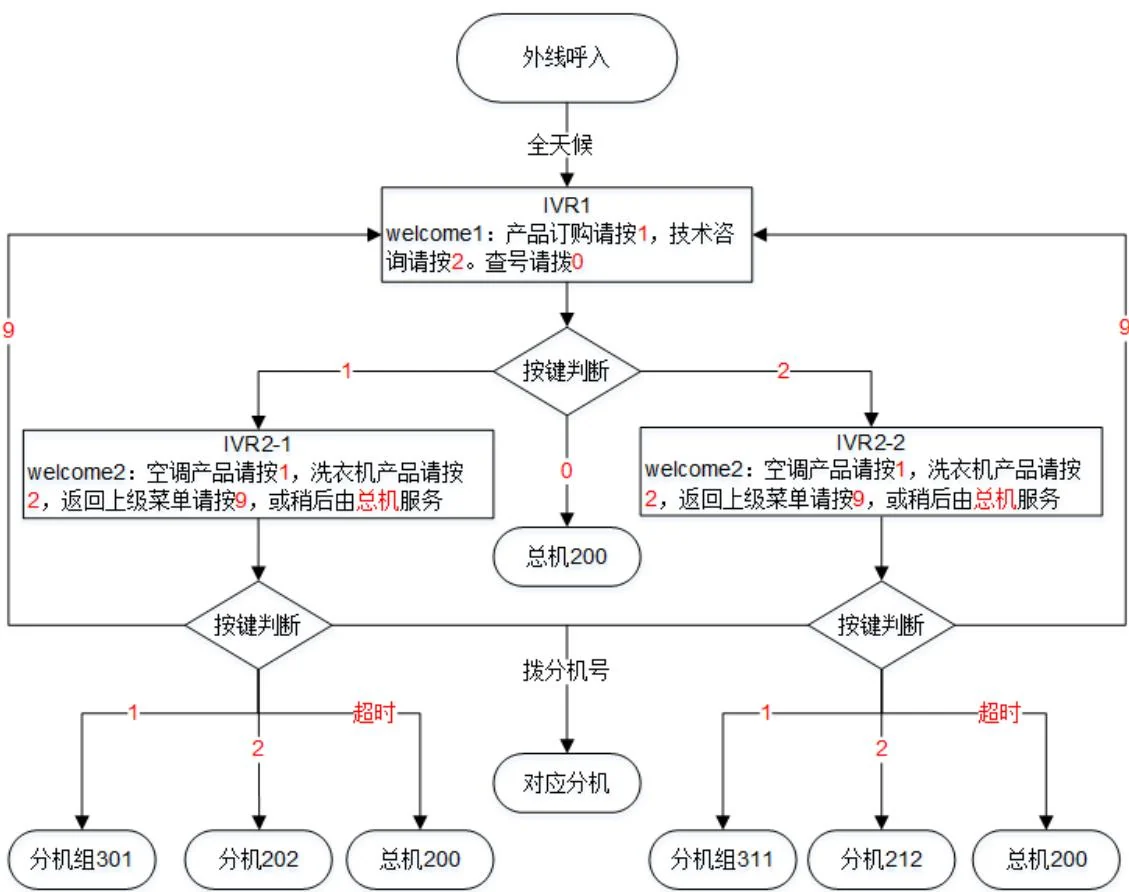
Prompts, levels, time-of-day routing and the queue behind the operator position: how to lay out an IVR and what to test before the number goes live.
Trunks and lines
Two port names, two opposite directions. How to read a site device by device, when analog ports belong on the PBX and when a small gateway is cheaper.
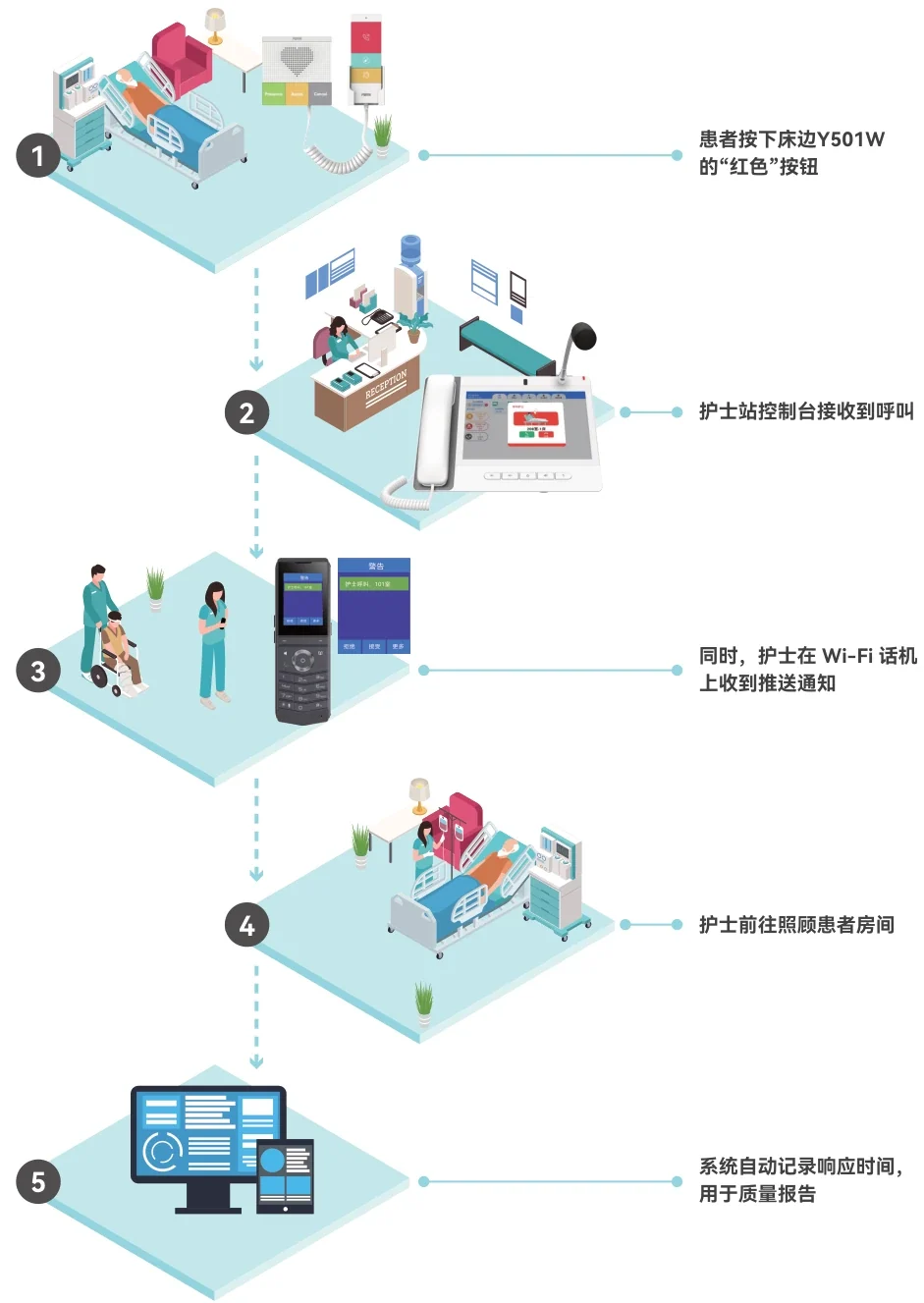
Healthcare
A ward design method that starts from positions rather than devices: bedside and door-side stations, pull cords, corridor lights and the escalation path.
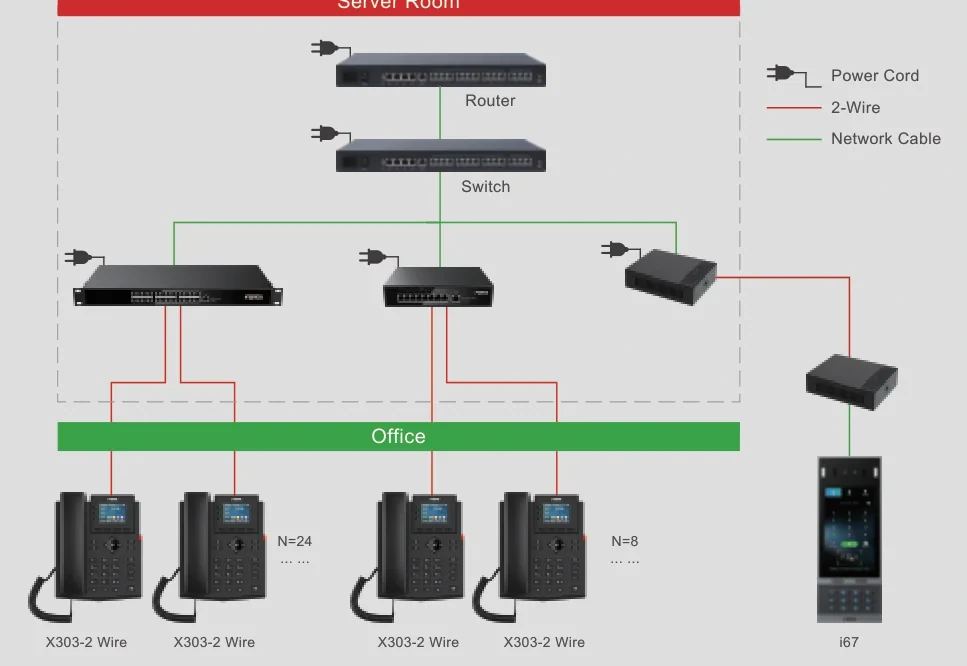
Cabling and power
A converter or a switch puts network and power onto the pair already in the wall. The published distances that rule options in and out.
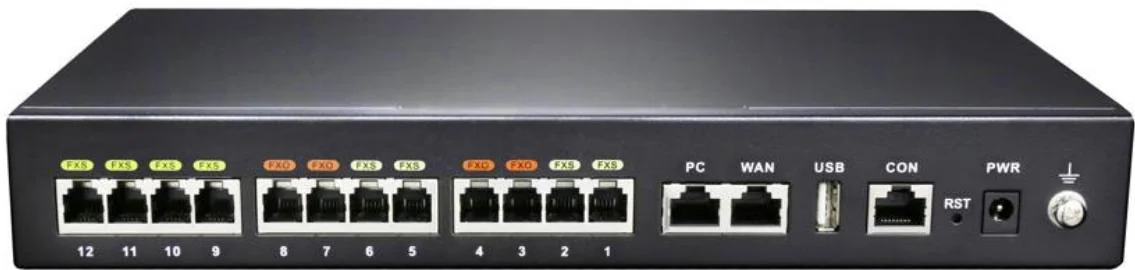
Trunks and lines
Cabling, failover and debugging all differ between a SIP trunk and an FXO line. A side-by-side comparison, plus the escape route that keeps calls flowing.
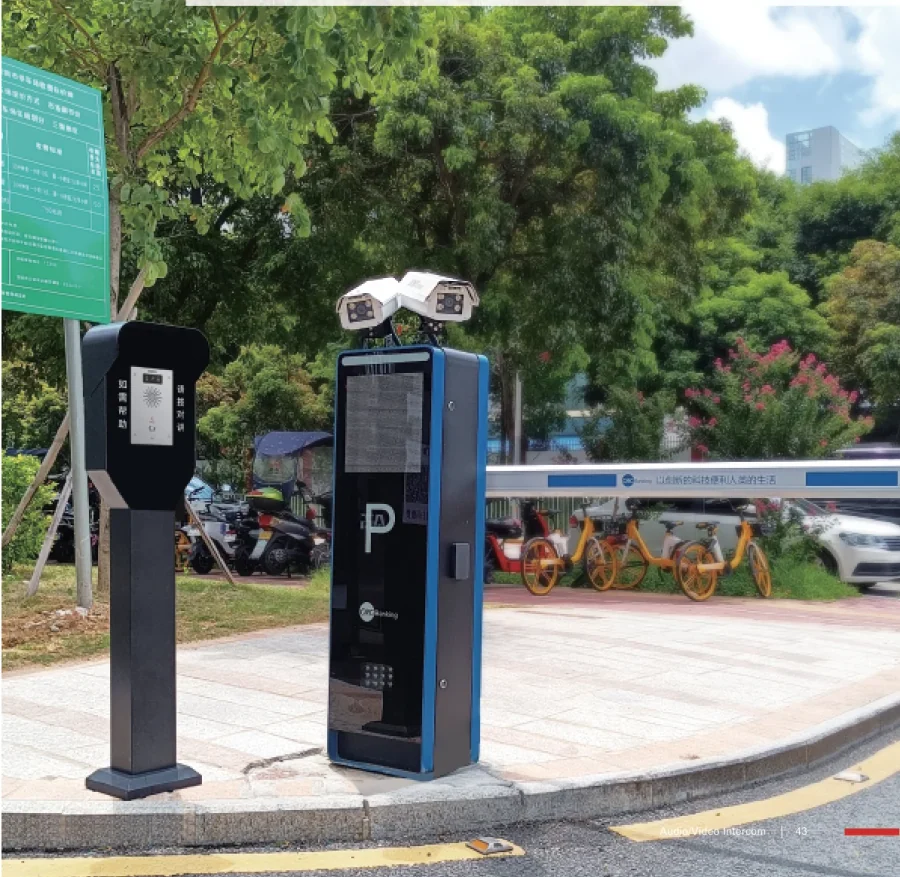
Intercom
What actually opens the door, what a built-in relay can and cannot tell you, fail-safe against fail-secure, and the tests to run before handover.
Hotels
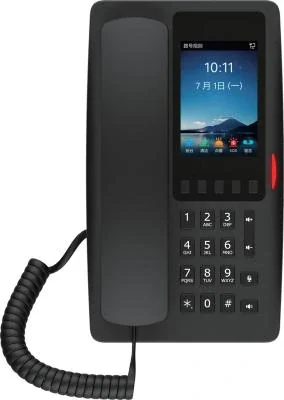
What a hotel PBX has to do beyond dialling: service keys on the room phone, wake-up prompts, room status in the PMS and call permission by room class.
Intercom
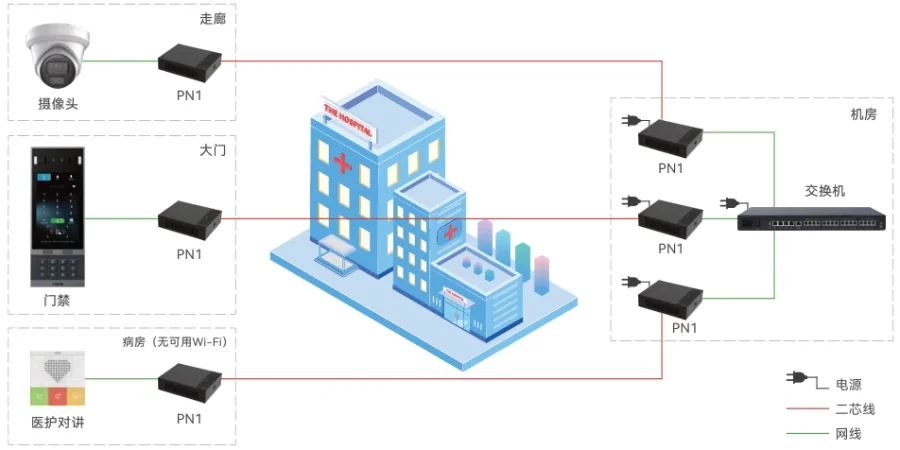
An elevator intercom is a chain, not a device. Which positions the material names, why the travelling cable decides the design, and what to survey.
IP PBX sizing
The manual publishes trunks, not extensions. How to turn a headcount and a busy hour into a model number, with the full ladder of five models.
Intercom
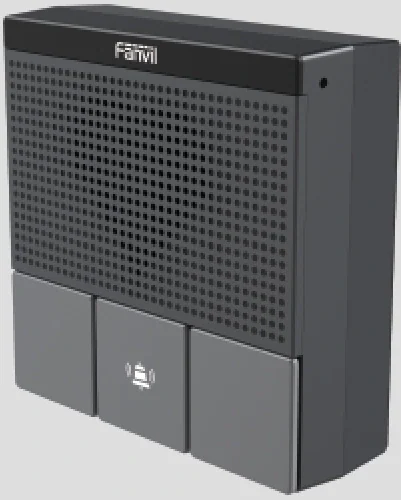
Door stations and paging speakers are more SIP extensions, not a second system. Four capacity checks, the power question at the door, and a phased way in.
Healthcare
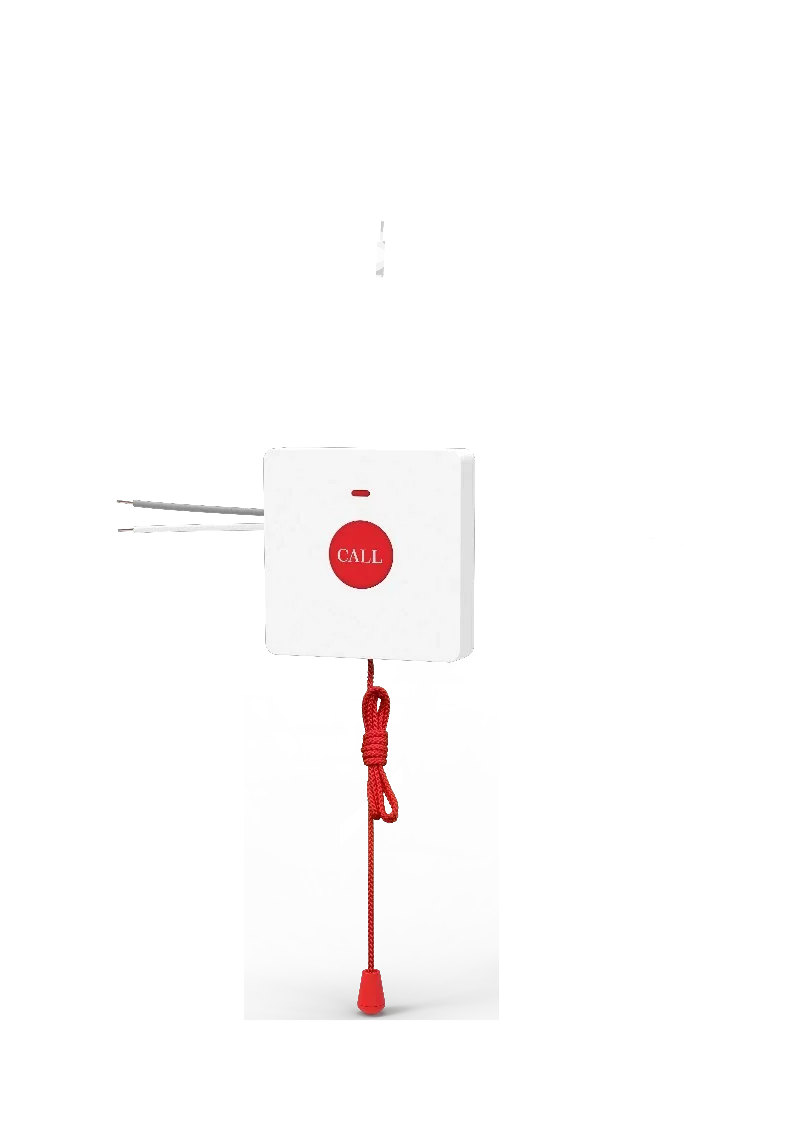
Bedside station, pull cord, corridor light, portable handset: four ratios, four denominators, and the two printed plans that show how they diverge.
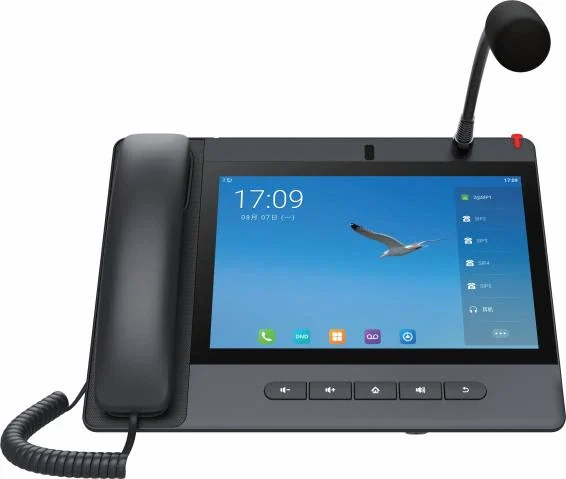
Healthcare
What the product documentation states, what it does not record, and the questions your compliance officer must answer against local code.
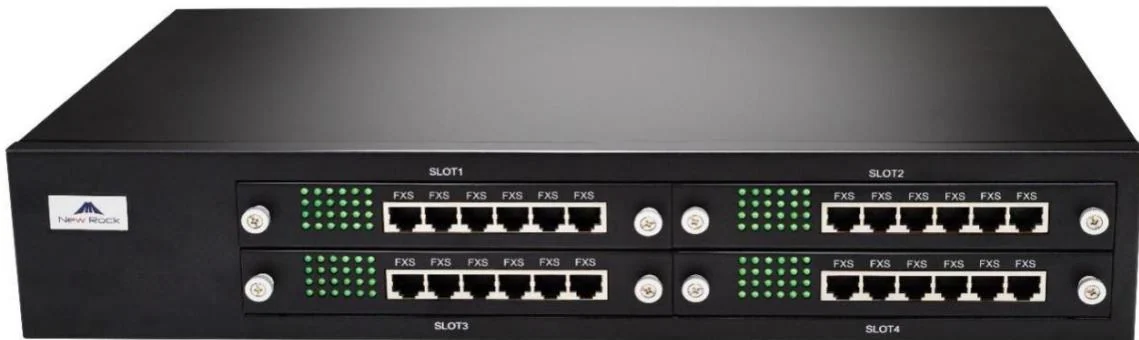
Hotels
Room phones, second positions, staff desks, the analog ports a hotel always uses and the switches that power them - a 100-room list from published capacities.
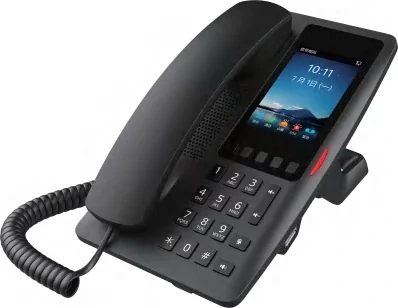
Hotels
Every guest handset in this range that states a line count states two. What that second line is for, when one number is enough, and where a position needs four.
Fax · Cabling and power · Networking · Deployment · Public address · Healthcare · Voice engineering · Wireless and endpoints · IP PBX sizing · Call flows · Trunks and lines · Intercom · Hotels
Notes from planning and configuring IP telephony systems — sizing by SIP trunks, line selection, cabling, codecs and the tests before handover.
Each article shows its publication date and last-updated date.
Use the search page to find a model, a guide or a specification. Search
Send the site details and the topic you want to discuss; we reply within one working day. Talk to an engineer
Browse resources
Send us the site type, the number of extensions or rooms and the areas to cover — we will come back with a configuration and quotation.
Six facts build a configuration: site type, extensions or rooms, simultaneous calls, areas to cover, existing lines and the documents you already hold. Send as many as you know — nothing has to be final before the first reply.
Page author: NEXVIA EngineeringPublished: Last updated: