
Product range
Nurse Call & Care Room Systems
From the pull cord in the bathroom to the console at the nurse station: bed-side and bathroom call points, big-button room phones, the Android consoles that answer and log the calls, and the entrance station that watches the door.
- Call points for bedside, bathroom and room — wireless or wired
- 2 m pull cord on both bathroom buttons, IP65 wireless and IP44 wired
- 433 MHz buttons with a 6–25 m working range, including a self-powered pendant
- A nurse console with 20 SIP lines, up to 116 DSS keys and up to 100 connected devices
- Emergency calls require a password before they are connected
- Corridor display and corridor light indication, plus call and attendance logs
- Big-button phones with Braille digit keys and a HELP key
- Entrance and concierge station for the door, on the same system
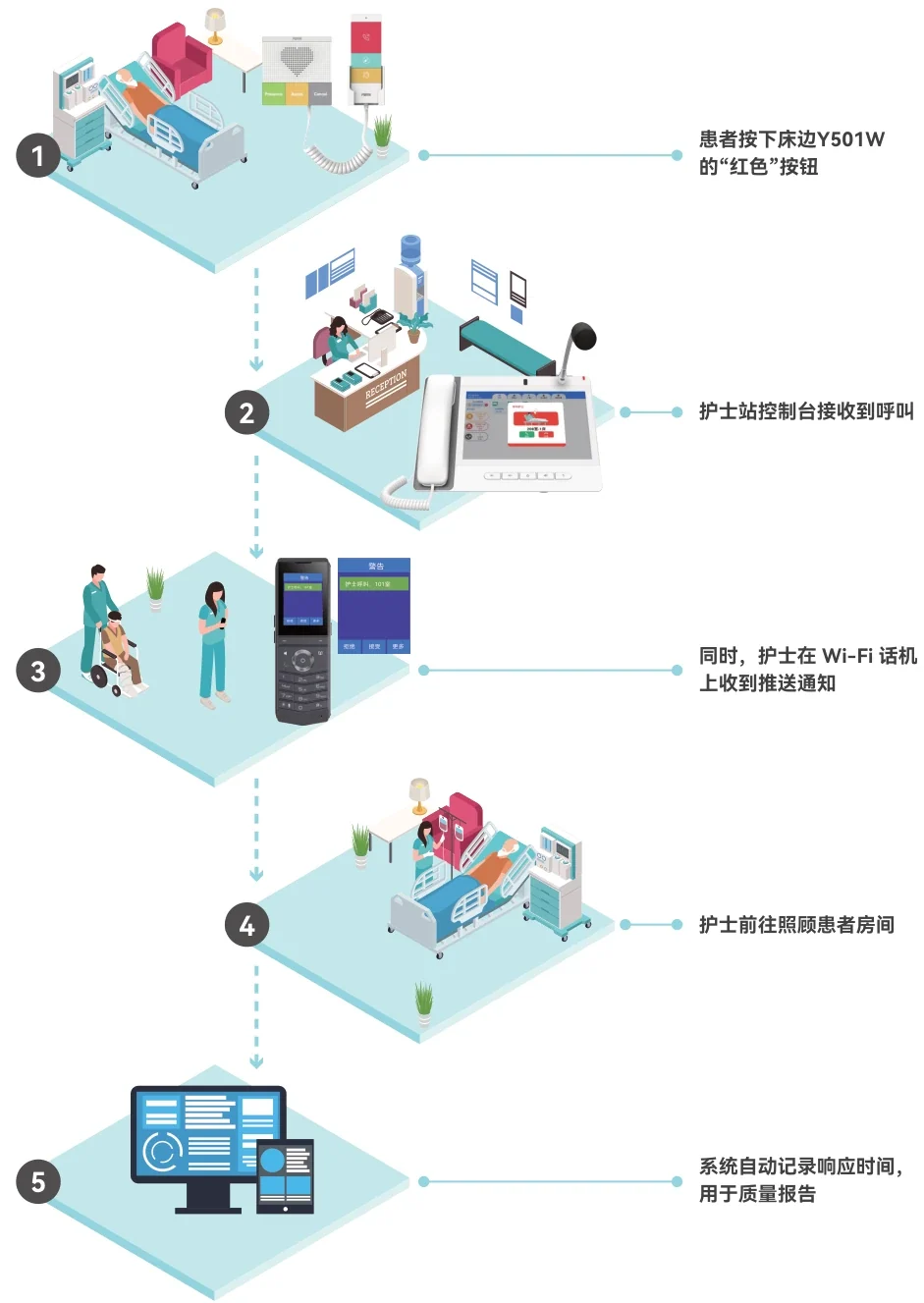
The call chain: pull cord to nurse station
Every device in the range has one job in the same chain: a resident raises a call at the point of need, a terminal in the room puts it on the network, and the console at the nurse station answers it with the room and the call type in front of it.
- A bathroom pull cord (KT30 wireless, KT31 wired) or a bedside station raises the call
- The call is answered at a console: A320i, A330i or A308i, each with up to 116 DSS keys
- Call type is repeated by colour and flashing pattern — slow flash for staff presence and staff assist call, quick flash for toilet emergency call and code blue
- Ceiling or wall speakers amplify the incoming call so it is heard away from the desk
- A corridor display shows the room and the call status; the corridor light over the door is powered and controlled by the bedside intercom
- Zoned paging and one-click emergency broadcast are stated as system features, alongside broadcasting and access control from the console
- When the nurse station is unattended, calls can be transferred to a portable Wi-Fi handset
- Call and nurse attendance logs stay available for record tracing
- The system is documented as integrating with access control and public-address systems
The corridor display carries up to 30 prioritised messages. The sources disagree on the message colours — one prints three colours, another four — so we publish no colour count. Confirm the current display on the quotation.
Sizing a ward: the numbers the deck uses
The source material sizes whole wards rather than individual phones. Both of its worked plans put a single nurse console against a ward, which is the most useful planning figure it contains.
The two care configurations proposed in the deck
| Plan | Call points | Console | Also proposed |
|---|---|---|---|
| Nursing home — 70 bedrooms, 40 rooms, 15 caregivers | 70 bedside stations (Y501W/Y501W-Y); 70 KT30/KT31 bathroom buttons | 1 × A320i | 40 CL-01 corridor lights (optional); 4 CMD-01 per floor (optional); 15–20 portable handsets |
| Small hospital / clinic — 50 bedrooms, 15 rooms, 3 shifts | 50 bedside stations; 15 door-side stations; 15 KT30/KT31 buttons | 1 × A320i | 15 CL-01 (optional); 2 CMD-01 per floor (optional); 15–20 portable handsets |
In the deck plans, CMD-01 is the corridor display and CL-01 the corridor light; both are marked optional. These are proposals, not limits — send us your room count and shift pattern and we will size the system with you.
What each part of the system speaks
- Radio buttons: 433 MHz between the KT10 and KT30 and their host stations; the wired KT31 connects to the Y501 series intercom
- Room phones and consoles: SIP, registering as extensions on the site PBX
- A330i console: one RS-485 interface plus eight short-circuit inputs and one output for external linkage
- Consoles and phones: PoE on the network cable, with Wi-Fi and Bluetooth options on the desk set
- Integration: the deck states integration with access control and public-address systems, with software-based integration for scalability
Where a fact is absent from the materials, this site does not fill it in — ask us and we will check the current documentation against your site.
Nurse Call & Care Room Systems in this range
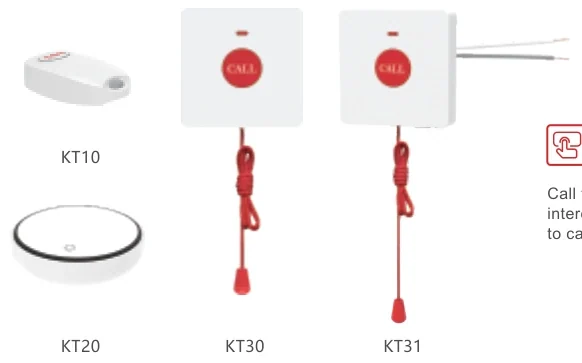
KT10
Pendant button for a one-press call from the bedside or anywhere in the room.
- 433 MHz
- 6–25 m range
- Self-powered, no battery
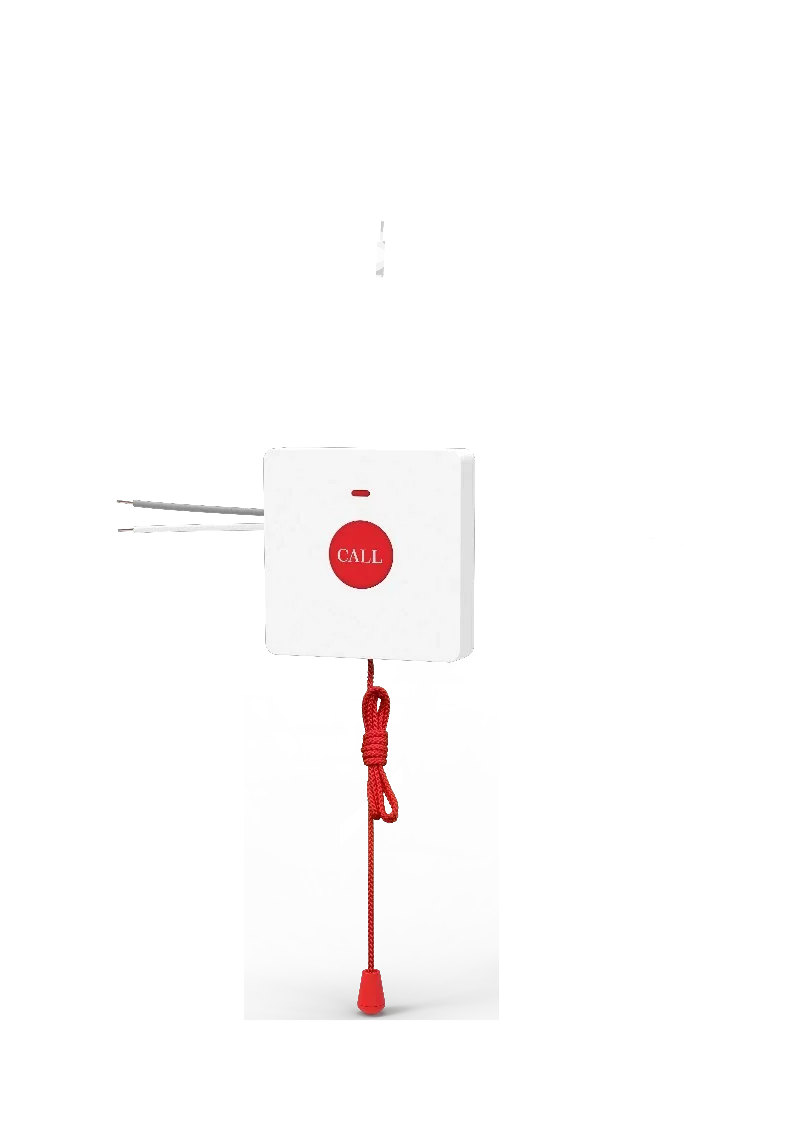
KT30
Wireless bathroom call point with a 2 m pull cord and IP65 protection.
- IP65
- 2 m pull cord
- 433 MHz
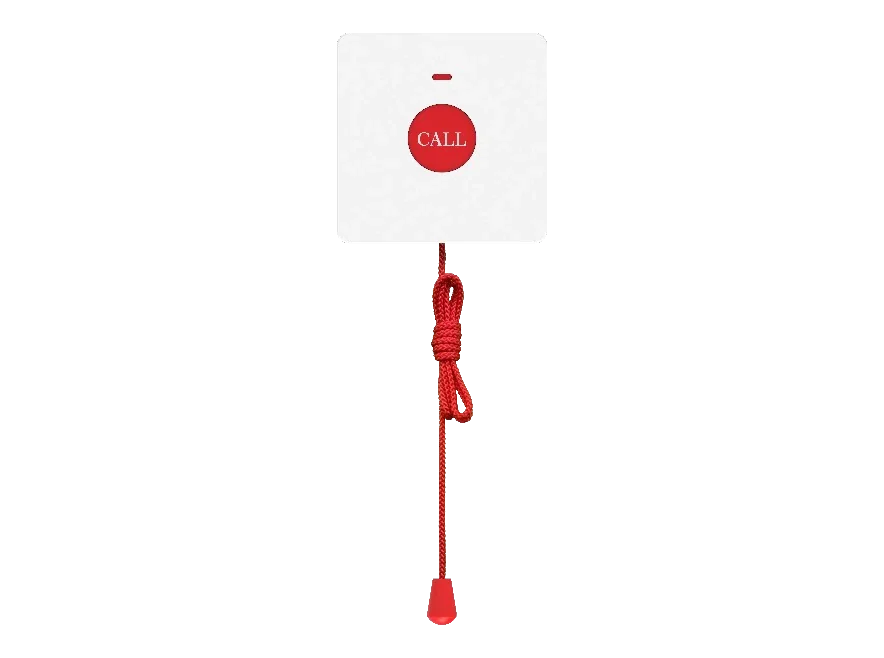
KT31
Wired bathroom call point — no power needed, 2 m pull cord, IP44.
- IP44
- 2 m pull cord
- No power needed
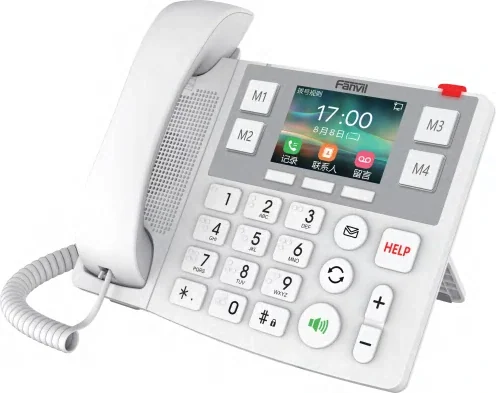
X305
Big-button care phone with Braille digits, picture keys and a HELP button.
- 3.5" 320×240 screen
- Braille digit keys
- 4 speed-dial keys
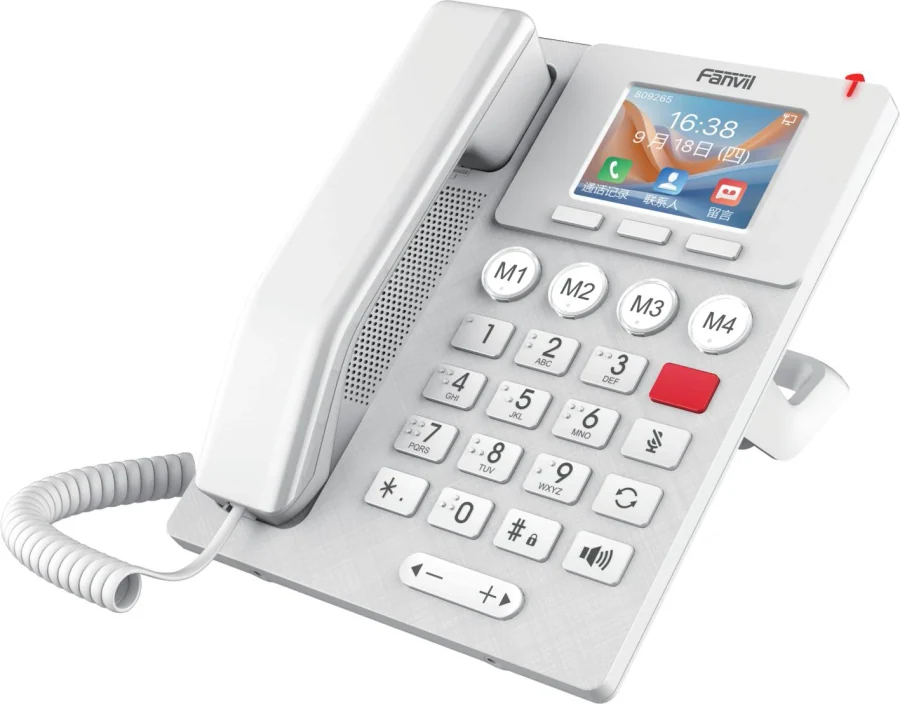
X306
Big-button desk set with Wi-Fi 6, Bluetooth 5.0 and PoE support.
- 3.5" 320×240 LCD
- Wi-Fi 6 dual-band
- Bluetooth 5.0
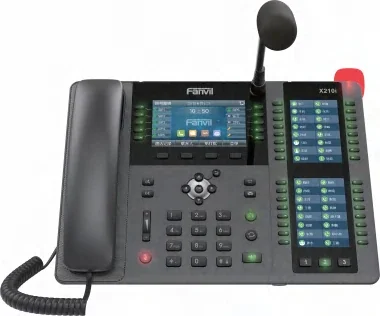
A308i
7-inch Android console with 20 SIP lines and 116 DSS keys.
- 7" 1024×600
- 20 SIP lines
- 116 DSS keys
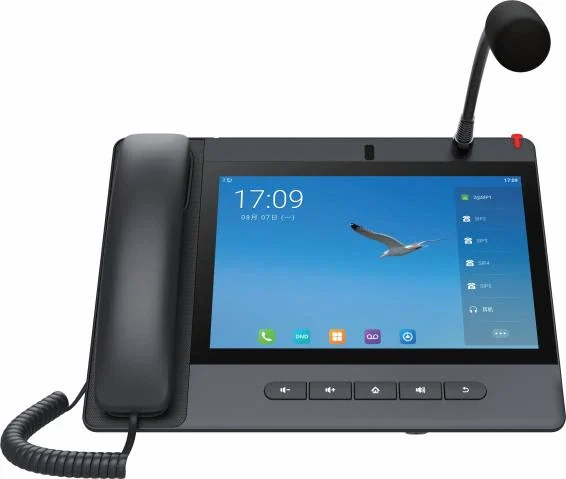
A320i
Android nurse console that answers ward calls and drives the corridor display.
- 10.1" touchscreen
- 20 SIP lines
- 116 DSS keys
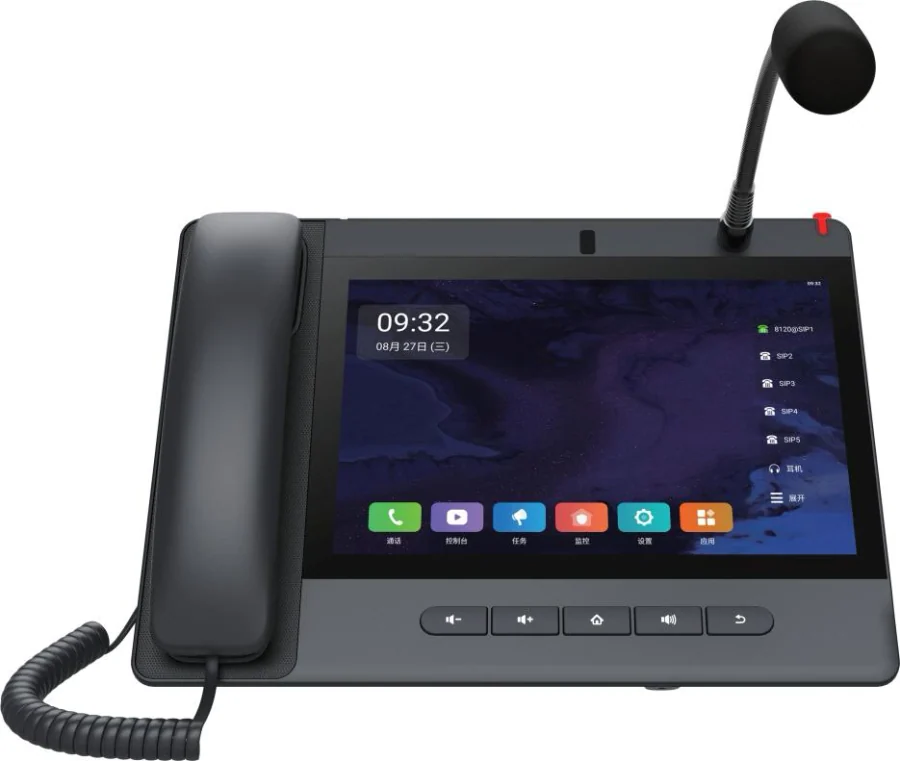
A330i
Android 14 console with 116 DSS keys and RS-485 control inputs.
- Android 14
- 10.1" touchscreen
- 116 DSS keys
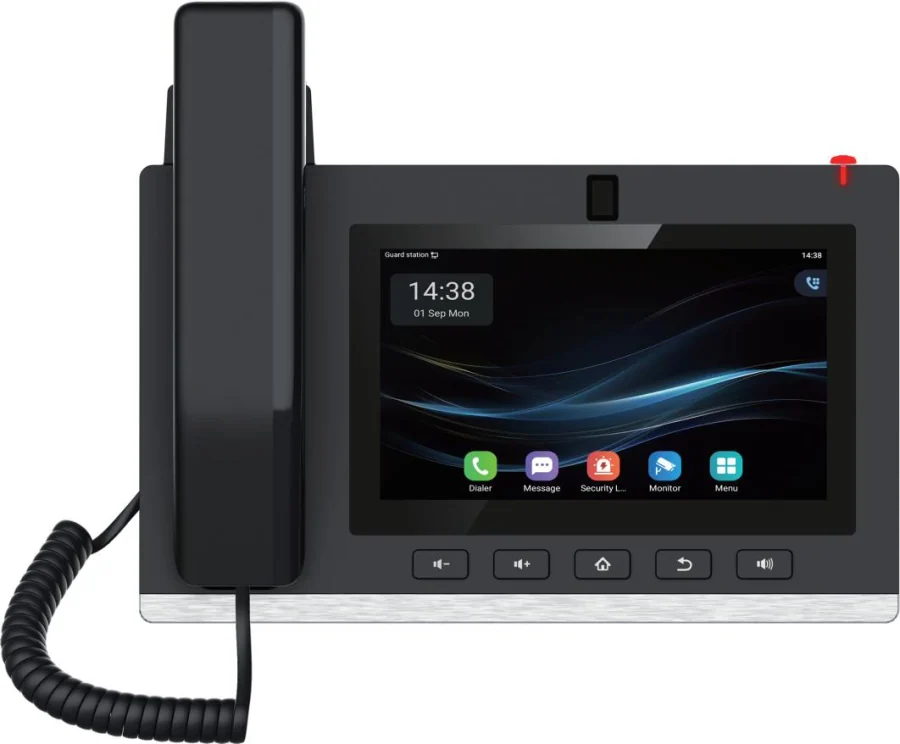
A308
Entrance and concierge station with a 7-inch screen and a 5 MP camera.
- 7" 1024×600
- 5 MP camera
- Android 9.0
Choosing between options
Care range comparison
| Model | Type | Screen | Power | Protection | Mounting | Role |
|---|---|---|---|---|---|---|
| KT10 | Wireless button | — | Self-powered, no battery | Not stated | Pendant | Bedside / room call |
| KT30 | Wireless pull cord | — | Battery inside | IP65 | Wall / pull cord | Bathroom call |
| KT31 | Wired pull cord | — | No power needed | IP44 | Wired, wall | Bathroom call |
| X305 | Big-button phone | 3.5" (320×240) | Integrated PoE | Not stated | Desktop / wall | Room phone for residents |
| X306 | Big-button phone | 3.5" (320×240) | PoE supported | Not stated | Not stated | Room phone, Wi-Fi 6 |
| A308i | Console IP phone | 7" (1024×600) | Integrated PoE | Not stated | Desktop | Smaller console desk |
| A320i | Nurse console | 10.1" (1280×800) | Integrated PoE | Not stated | Desktop | Nurse station |
| A330i | Console IP phone | 10.1" | PoE supported | Not stated | Desktop | Control and dispatch desk |
| A308 | Android guard station | 7" (1024×600) | Not stated | Not stated | Desktop / wall | Entrance and concierge |
Frequently asked questions
Which parts of the system are wireless?
How many beds can one nurse console serve?
What happens when nobody is at the nurse station?
Can we keep the analog handsets already in the rooms?
Which protocols does the range use?
Planning an IP telephony project?
Send us the site type, the number of extensions or rooms and the areas to cover — we will come back with a configuration and quotation.
Send the site details
Six facts build a configuration: site type, extensions or rooms, simultaneous calls, areas to cover, existing lines and the documents you already hold. Send as many as you know — nothing has to be final before the first reply.
- Reply within one working day
- Configuration + quotation for your site
- Your details are used only to answer this inquiry
Page author: NEXVIA EngineeringPublished: Last updated: