
Product range
SIP Public Address, Paging & Emergency Broadcast
SIP paging gateways, ceiling and wall speakers, a video speaker and the desk phones that trigger the announcements — deployable as a server-based system, a serverless one managed from a console phone, or stand-alone IP endpoints.
- Three deployment tiers: server-based, serverless with a console phone as the management platform, and stand-alone IP endpoints
- Analog broadcast cabling can be bridged into the IP system rather than replaced
- PoE-powered endpoints, with DC options on the speakers and gateways
- Up to 20 multicast zones across the speaker family
- Zone management in the light tier and dynamic zone control in the advanced tier
- ONVIF integration with third-party VMS platforms, and AI-camera triggered announcements
- Desk phones complete the set as the operator and announcement position
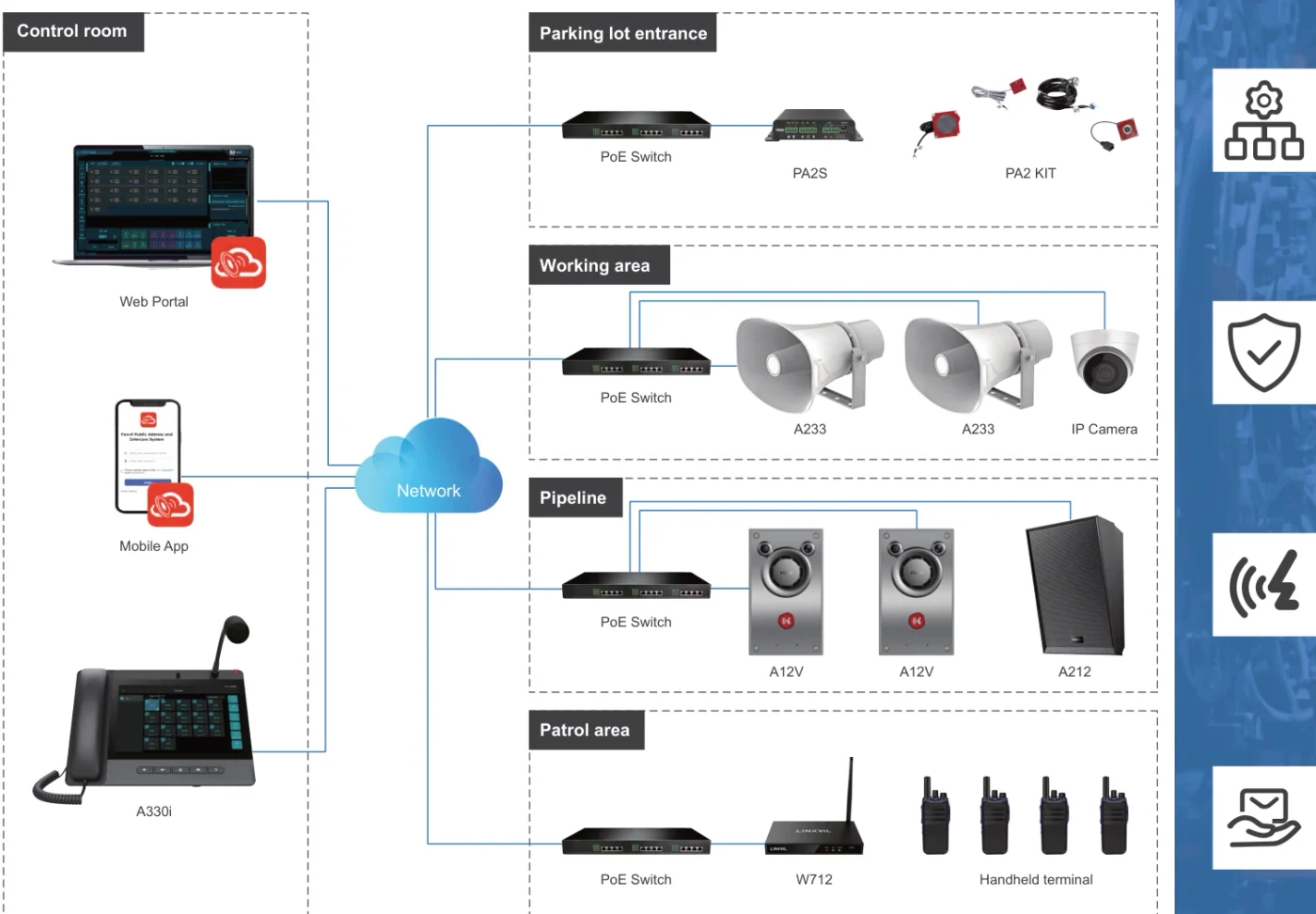
Three ways to deploy the same endpoints
The source material splits public address and intercom into three tiers that use the same endpoints but differ in where the intelligence sits. The tier is chosen by the number of sites and the amount of programme material, not by the speakers.
- Advanced tier — a server-based system with cloud or on-premise B/S architecture for multi-site management, high loading capacity, dynamic zone control, remote volume adjustment and real-time text-to-speech
- Light tier — serverless: the console IP phone becomes the built-in management platform, terminals are added by automatic discovery, and deployment is plug and play
- Endpoint tier — stand-alone IP endpoints that are fully SIP compatible, integrate with unified communication platforms and mass notification systems, and can bridge existing analog broadcast cabling into IP
- Camera and AI linkage: the IP devices support ONVIF, so they connect to third-party VMS platforms, and with AI cameras an endpoint can broadcast pre-recorded alerts triggered by events such as intrusion or loitering
The advanced tier also covers interactive digital maps, scheduled broadcasting with custom time templates, audio archiving of paging and intercom calls for review or download, and mobile app control with on-site emergency reporting.
Zones, priority and power
Zones are where the models differ most in practice. The speaker family is documented with up to 20 multicast zones, the light tier adds zone management and media management, and the advanced tier adds dynamic zone control and remote volume adjustment.
- Up to 20 multicast zones on the speaker models
- Prioritisation is stated on the wall speaker (A212) and on the FH-S01 ceiling model in the wider range
- PoE is the standard supply on the endpoints, with DC options: 12 V–24 V 2 A DC on the gateways, DC on the speakers
- The A212 is documented as PoE 8 W / PoE+ 15 W in one source and IEEE 802.3at in another — the output follows the supply, so confirm the switch
- The gateway output is 10–30 W mono, adapting to the input voltage
No dimensions, weights or colour options are stated for any speaker in the source material, and no rack amplifier model numbers are given — amplifiers appear only as external line-out destinations or as built-in class D stages.
Ceiling, wall or horn: matching the speaker to the space
The range covers three coverage shapes. The choice follows the area and how the sound has to travel, not the price.
- Ceiling speakers (A201, and the FH-S01 in the wider range) for even indoor coverage across corridors, waiting areas and open rooms
- Wall speakers (A212) where the sound has to be aimed along a corridor or into one zone, with an optional angle-adjustment bracket
- Horn speakers (the A233 in the wider range) for long throw to open or outdoor areas — that model is IP66 and rated 30 W
- Video speakers (A513W) where the position also needs a camera: IP66, 4 MP with IR night vision, and a relay in and out for a PIR sensor, infrared sensor or strobe light
- Gateways (PA2S, and the PA3 in the wider range) where legacy analog speaker cabling has to be brought into the IP system
A233, FH-S01 and PA3 are documented in the source material but have no prepared product page in this project — ask us for their current specification, and for the RoIP gateway W712 that is covered in the wireless range.
SIP Public Address, Paging & Emergency Broadcast in this range
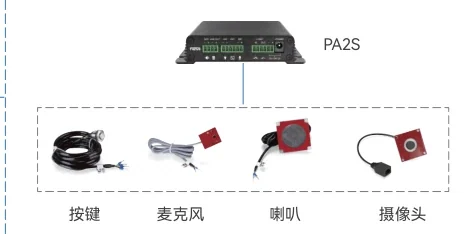
PA2S
SIP paging and intercom gateway with PoE, call key and external speaker output.
- 10–30 W mono output
- PoE IEEE 802.3af
- 1 in / 1 out contacts
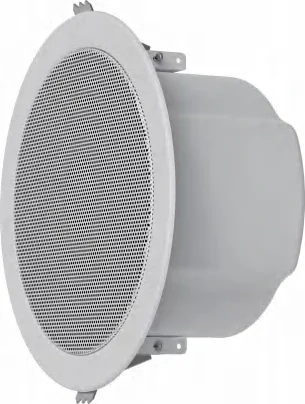
A201
Ceiling speaker for indoor zones, with two-way voice and a built-in microphone.
- Up to 20 multicast zones
- PoE & PoE+ & DC
- G.722 & Opus
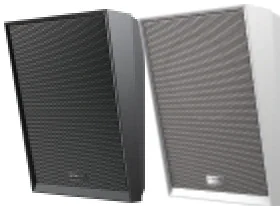
A212
Wall speaker with 15 W class D output, talkback and alarm linkage.
- 8 Ω, max 15 W
- PoE 8 W / PoE+ 15 W
- Up to 20 zones
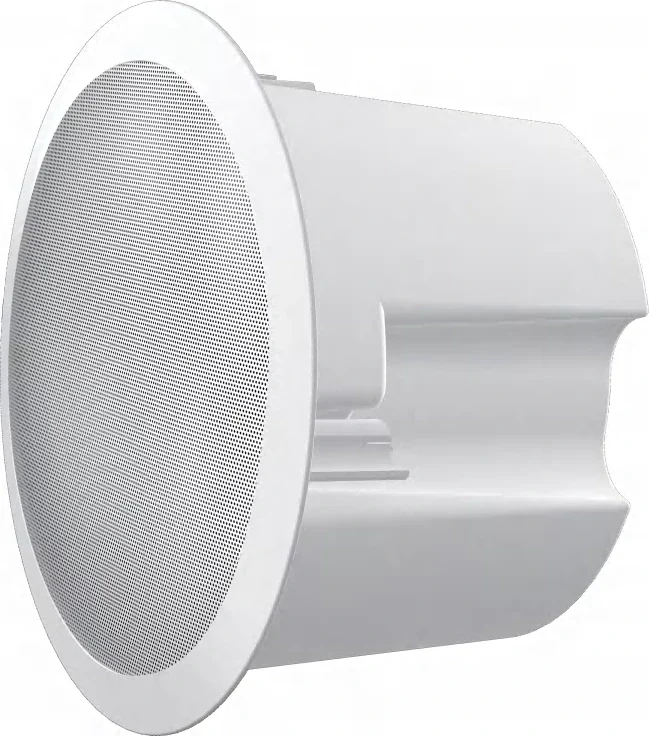
A513W
IP66 SIP speaker with a 4 MP IR camera and a relay interface.
- IP66
- 4 MP IR camera
- Up to 10 W (DC)
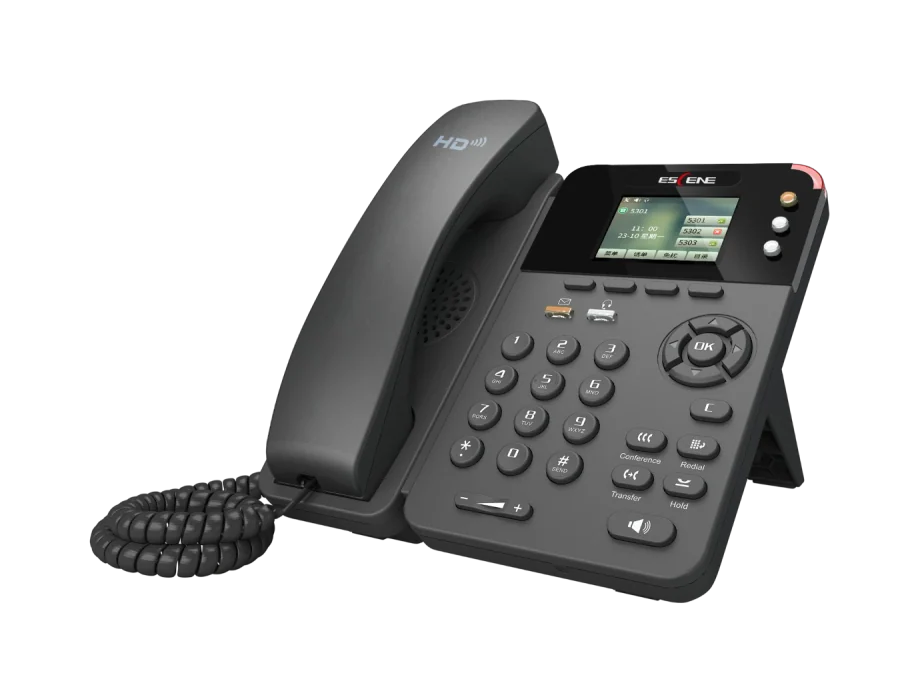
ES282-PCG
Three-line desk phone with 15 paperless keys and gigabit ports.
- 3 SIP accounts
- 15 paperless keys
- Gigabit PC + LAN
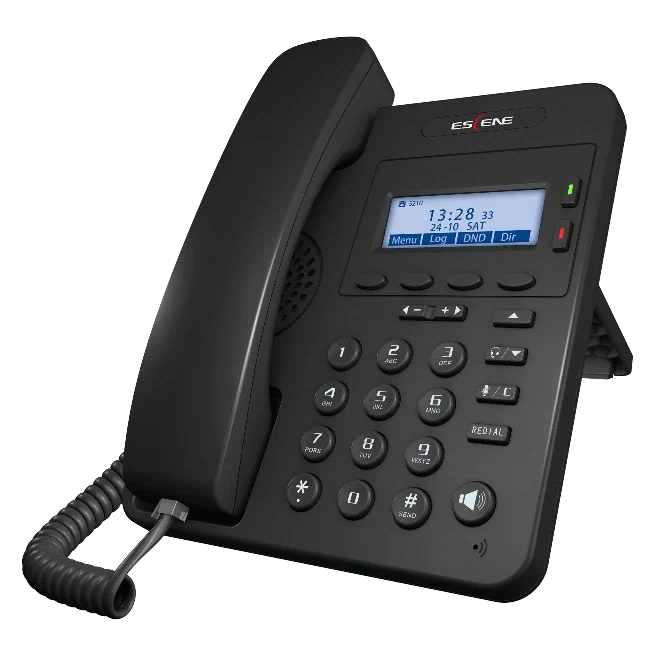
WS210(P)
Desk phone on dual-band Wi-Fi, with 2 SIP accounts and optional PoE.
- 2 SIP accounts
- Wi-Fi 2.4G & 5G
- 10/100 Mbps × 2
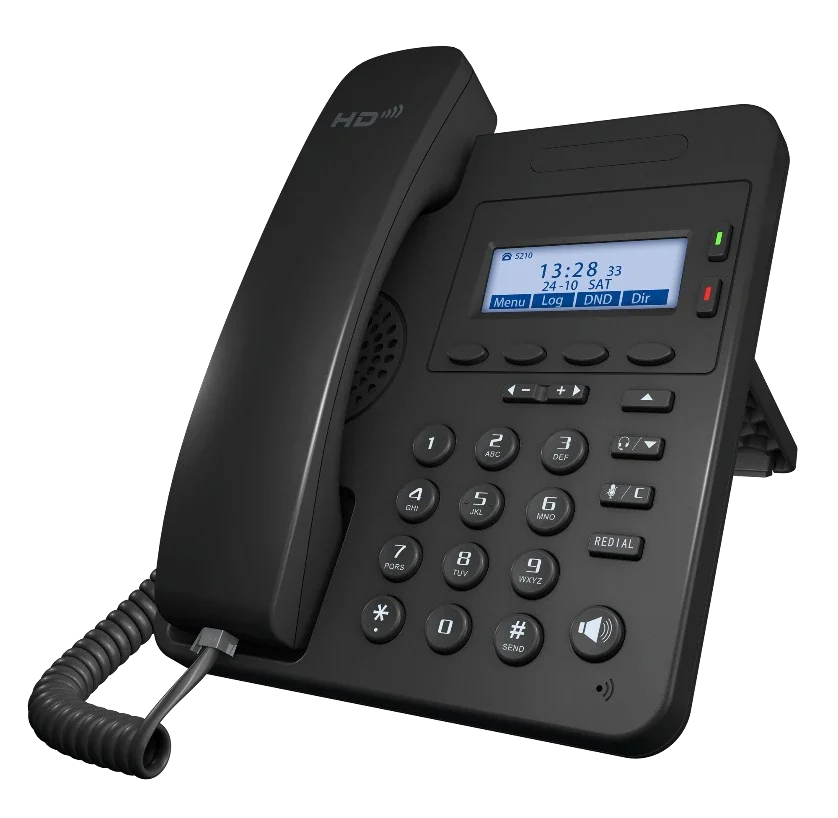
ES210
Compact two-line desk phone with handset and headset ports.
- 2 lines
- 5 programmable keys
- 128×64 LCD
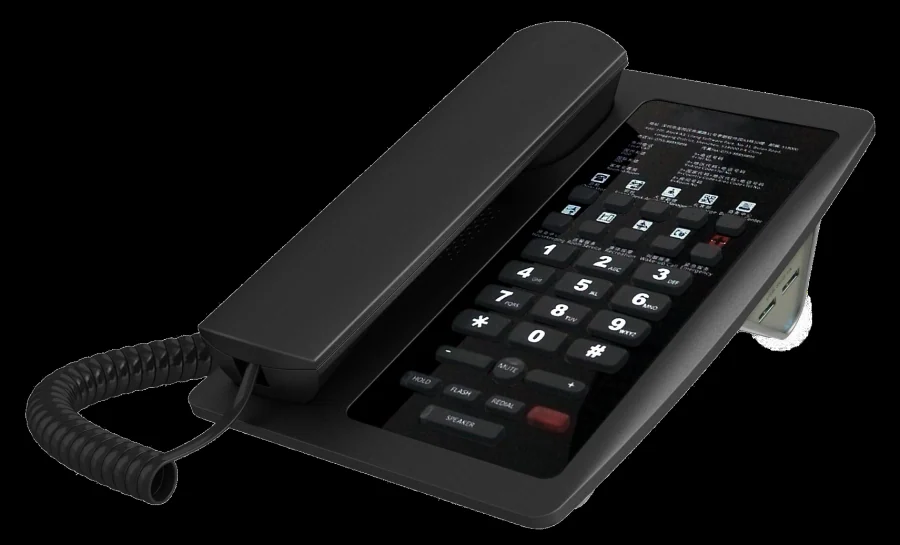
HS118PNB
SIP desk phone with ten programmable keys, a hotline key and PoE.
- 2 SIP accounts
- 10 programmable keys
- 10/100M Ethernet
Choosing between options
PA and broadcast hardware as documented in the source material
| Model | Type | Output | Zones | PoE / power | Protection |
|---|---|---|---|---|---|
| PA2S | SIP paging & intercom gateway | 10–30 W mono | Not stated | PoE IEEE 802.3af; 12–24 V 2 A DC | Not stated |
| PA3 | SIP paging gateway | 10–30 W mono; 4 Ω/30 W or 8 Ω/15 W | Not stated | PoE Class 4 (IEEE 802.3at); 12–24 V 2 A DC | Not stated |
| A201 | SIP ceiling speaker | 10 W or 30 W printed — confirm | Up to 20 | PoE, PoE+ and DC | Not stated |
| A212 | SIP wall speaker | 8 Ω, max 15 W | Up to 20, with prioritisation | PoE 8 W / PoE+ 15 W; DC | Not stated |
| A233 | SIP horn speaker | 30 W rated | Up to 20 | PoE / PoE+ / DC | IP66 |
| FH-S01 | SIP ceiling speaker | Up to 20 W (DC) | Up to 20, with prioritisation | PoE IEEE 802.3af | Not stated |
| A513W | Video speaker | Up to 10 W (DC) | SIP paging; zone count not stated | PoE; DC | IP66 |
| W712 | RoIP gateway | Not stated | Not stated | PoE (at) | Not stated |
Frequently asked questions
Do we need a server for a SIP public address system?
How many zones can the system have?
Can we reuse our analog speakers and cabling?
How are the endpoints powered?
Does the system integrate with cameras and VMS?
Planning an IP telephony project?
Send us the site type, the number of extensions or rooms and the areas to cover — we will come back with a configuration and quotation.
Send the site details
Six facts build a configuration: site type, extensions or rooms, simultaneous calls, areas to cover, existing lines and the documents you already hold. Send as many as you know — nothing has to be final before the first reply.
- Reply within one working day
- Configuration + quotation for your site
- Your details are used only to answer this inquiry
Page author: NEXVIA EngineeringPublished: Last updated: